
The Housing Stabilization Gap — and What Comes Next
Earlier this year we shared difficult news with our ChooseWell Communities supporters: the pathway that had helped dozens of families move from early recovery into stable housing had suddenly disappeared.
For nearly a decade, ChooseWell worked closely with the Louisville Metro Housing Authority through its Special Referral Program. Section 8 vouchers provided the critical bridge between early recovery and long-term stability. Families leaving sober living could secure a lease in their own name while they rebuilt their lives.
Those vouchers didn’t just subsidize rent. They stabilized families.
But as we shared last spring, the program is now frozen indefinitely. Louisville Metro Housing Authority has been transparent about the challenges they face. With nearly 98% of their funding coming from federal sources, and demand for vouchers far exceeding available resources, they simply do not have the capacity to issue new vouchers right now.
We empathize deeply with their position. At the same time, we feel the consequences of this change every single day, because our families still need a place to live.
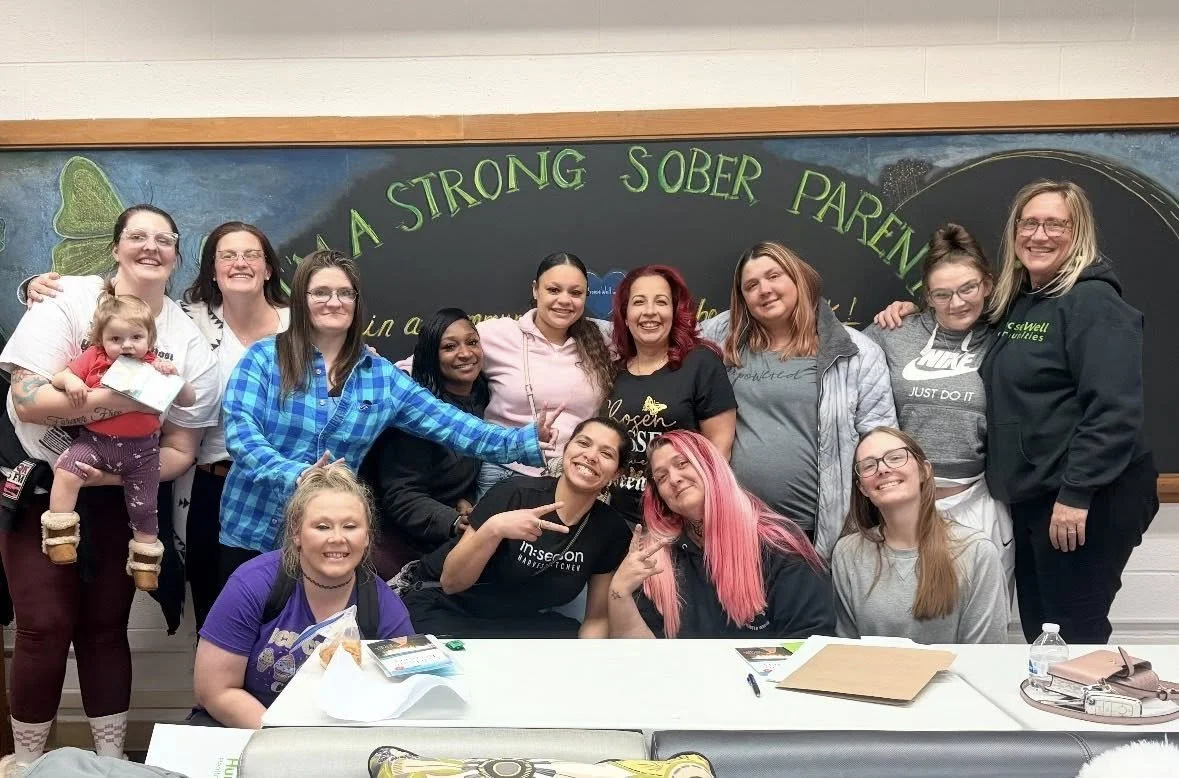
Parents in early recovery are doing the hard work of rebuilding their lives—maintaining sobriety, working to reunify with their children or protect and preserve the families they still have, and stepping into the workforce. But the reality is that early employment rarely provides enough income to cover rent in today’s housing market.
Most of our parents earn between $9 and $18 per hour, while balancing childcare, transportation challenges, and limited work experience. These jobs are an important first step toward stability—but they are not yet enough to cover market rents.
For years, vouchers bridged that gap. Without them, we have had to improvise.
As we described in our last newsletter, ChooseWell has temporarily redirected resources from our opioid settlement grant to provide direct rent support for families while they stabilize. We are also working closely with mission-aligned landlords and referring families to every specialized housing program we can find.
This approach has helped keep families housed—for now. But it is not a sustainable long-term solution.
ChooseWell is a small nonprofit with no margin. Our role has never been to act as the financial underwriter for rent across dozens of families. Our role is something different—and something just as essential. ChooseWell provides the relational accompaniment that helps fragile housing placements succeed.
We walk alongside families through early recovery, parenting, employment, and the everyday challenges of rebuilding a stable life. That work helps transform what might otherwise be fragile tenancies into stable homes where children can thrive.
Housing is the platform that allows that transformation to happen.
The real question now is not whether families need housing support during this stabilization period—they clearly do. The question is who carries the bridge between early recovery and full financial independence.
Historically, public housing subsidies helped fill that role. Today, that bridge is missing. And unless we design a new solution, families will continue to fall into the gap.
We believe the answer lies in partnership.
Imagine a system where housing providers, philanthropy, employers, and healthcare partners each play a role in supporting housing stability for families rebuilding their lives. ChooseWell would continue doing what we do best: walking alongside families so that housing placements succeed over time.
Because when families remain stably housed, everyone benefits. Parents stay sober. Children grow up in safe homes. Employers gain reliable workers. Communities grow stronger. And the public systems that once absorbed the costs of instability—child welfare, shelters, hospitals, and courts—bear far less strain.
In other words, housing stability is not simply an act of charity. It is an investment in the health and future of our entire community.
ChooseWell has proven that families in early recovery can rebuild their lives when stability is within reach. Now the challenge before us is to build the bridge that makes that stability possible. And we believe Louisville is exactly the kind of city that can do it.
Be Part of Building the Bridge
Here are a few ways you can help:
$250 can help cover a utility deposit or prevent a family from falling behind during a short-term crisis.
$1,000 can help cover moving expenses, security deposits, and essential household needs as a family transitions from sober living into permanent housing.
$5,000 can help bridge housing costs for a family during the critical early months of recovery and workforce re-entry.
But financial support is only part of the solution.
We are also seeking:
Mission-aligned landlords and property owners
Employers interested in workforce stability for parents in recovery
Healthcare and community partners focused on upstream family stabilization
Advocates willing to help Louisville think differently about housing recovery and family stability
ChooseWell has proven that families can rebuild their lives when stability is within reach. Now we need partners willing to help build the bridge that makes that stability possible.
If you would like to support this work, partner with us, or learn more, we invite you to reach out to Leigh Ann Yost at leighann@choose-well.org.